Campaign T-Shirts for the 2026 Midterms: Rules and Rush Tips
Election Day is Nov. 3, 2026. What print shops should know about campaign shirts: FEC disclaimer rules, campaign pricing, union labels, and polling places.
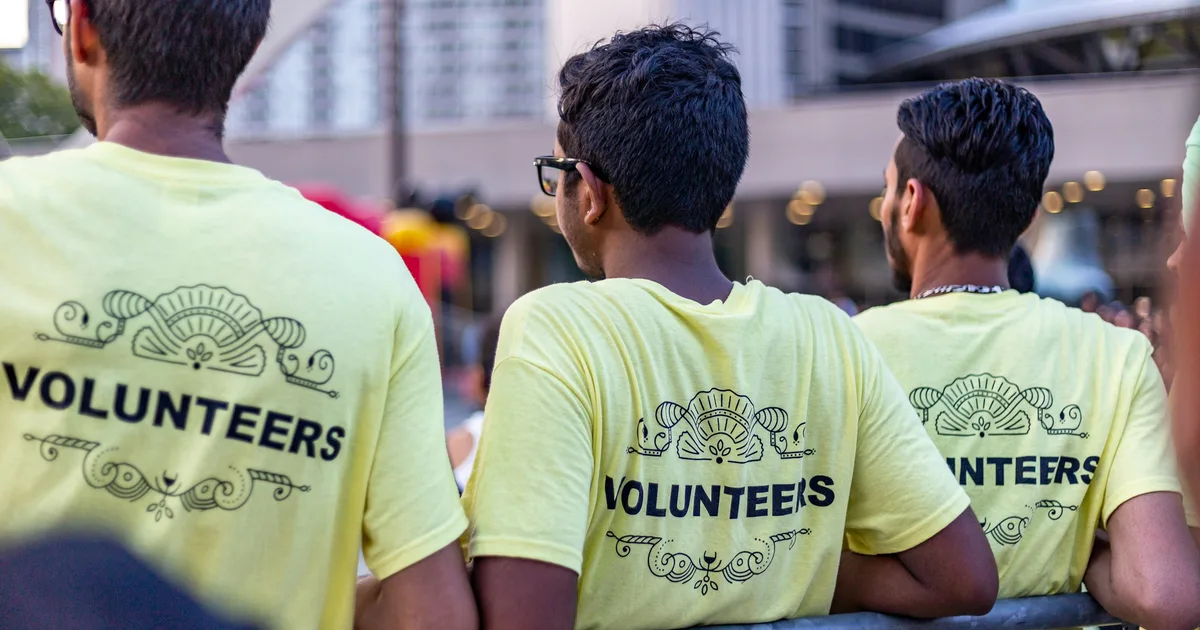
Image: Rashpal Singh / Unsplash
This guide covers the campaign shirt rules print shops ask about most: whether a shirt needs a "paid for by" disclaimer, how to price for a federal campaign, union labels, and what voters can wear at the polls. It is general information, not legal advice. Campaigns have their own counsel and treasurers, and the details vary by state.
Does a campaign shirt need a "paid for by" disclaimer
For federal campaigns, the Federal Election Commission's disclaimer rule (11 CFR 110.11) lists exceptions where a disclaimer is not required. One exception covers "wearing apparel" and other media where including a disclaimer "would be impracticable." Another covers small items such as buttons, pins, and bumper stickers.
That means a federal campaign t-shirt generally does not need a "paid for by" line. Many campaigns add one anyway, often in small print on the back or sleeve. State and local races follow state law, which differs from state to state, so the campaign should tell the shop what its state requires. The shop's job is to print what the campaign approves, not to decide the legal question.
Pricing for a federal campaign
Under federal election law, corporations are not allowed to contribute to federal candidates, and providing goods to a campaign for less than the usual and normal charge can count as a contribution. For a print shop, the practical rule is simple: charge a federal campaign your normal price, on your normal terms.
- Do not discount below what a comparable customer would pay just because you support the candidate.
- Do not donate shirts to a federal campaign from an incorporated business.
- Do not extend unusual credit. Bill the campaign the way you bill other customers of the same size.
- Keep a normal invoice. The campaign reports what it spends, and the invoice is its record.
State rules for state and local races vary. Some states allow business contributions and some do not. If a candidate asks for a discount, ask the campaign treasurer whether it is allowed under their rules before agreeing.
Union labels
Some campaigns, especially those endorsed by labor unions, require union-made shirts and a union printing label on the print, sometimes called a "union bug." The label belongs to the union and can only be used by a shop that has the right to it. A non-union shop cannot add one. If a campaign asks for a union label, say up front whether your shop can provide it, and point the campaign to a union shop if not. Some campaigns also require blanks made by union workers, which narrows the blank choices.
What voters can wear at the polls
Many states restrict campaign apparel inside polling places or within a set distance of the entrance. In Minnesota Voters Alliance v. Mansky (2018), the U.S. Supreme Court struck down Minnesota's ban on wearing "political" apparel at the polls because the term was too unclear to apply fairly. The Court also said a state may still restrict some apparel at polling places if its rule is clear.
For a print shop, the result is that a candidate shirt may be fine at a rally but not inside a polling place in some states. Customers ordering "I voted" or get-out-the-vote shirts sometimes ask about this. Point them to their state or county election office, which publishes its own rules.
Campaign shirt design and production tips
- Candidate name first. The name and the office are what volunteers need people to read from the sidewalk. Keep the slogan secondary.
- Use the campaign's exact colors and logo file. Campaigns guard their branding. Ask for the vector logo and color values and send a proof.
- Volunteer shirts in bright colors. Canvassers and poll greeters want to be seen. The photo on this post shows why: a bright shirt with one word on the back reads from a distance.
- Nonpartisan get-out-the-vote shirts ("Vote Nov. 3," "I voted," "Poll worker") can be sold to anyone and reused by civic groups. They also avoid tying the shop to one candidate.
- Use the candidate's approved photo only. Do not use a news photo of a candidate on a shirt; the photographer owns it.
- Plan for rush orders. The last two weeks of a campaign bring volunteer surges and last-minute event shirts. DTF suits short runs because there is no screen setup, and the gang sheet calculator helps price small mixed orders.
Order timing
Early voting starts weeks before November 3 in many states, so volunteers need shirts well before Election Day. A shop that buys transfers should quote a turnaround that includes supplier production and shipping, and should not promise election-week delivery without checking the supplier's current turnaround. The supplier directory lists transfer suppliers by state, and the fast wholesale transfer guide covers suppliers that offer rush service.
Frequently Asked Questions
Do campaign t-shirts need a paid for by disclaimer?
For federal campaigns, the FEC's disclaimer rule exempts wearing apparel where a disclaimer would be impracticable, so a federal campaign shirt generally does not need one. Many campaigns add one anyway. State and local races follow state law, so the campaign should tell the shop what its state requires.
Can my print shop give a candidate a discount on shirts?
For a federal candidate, an incorporated business should charge its usual and normal price. Selling below that, donating shirts, or extending unusual credit can count as a prohibited corporate contribution. State races follow state law. Ask the campaign treasurer before agreeing to any discount.
Can I wear a campaign shirt to vote?
It depends on the state. Many states restrict campaign apparel inside or near polling places. The Supreme Court struck down Minnesota's broad ban in 2018 but said states can still enforce clear rules. Check your state or county election office before Election Day.
What is a union bug on a campaign shirt?
A union bug is a small union printing label added to printed material to show it was produced by a union shop. Some campaigns require it. Only a shop that has the right to use the label can add it, so a non-union shop should tell the campaign up front.
When is Election Day 2026?
Election Day 2026 is Tuesday, November 3. Early voting starts weeks before that in many states, so campaign volunteer shirts are usually needed in early to mid-October, not election week.
Where this fits in the DTF Database
Election Day sits in the same Q4 window as Halloween, Thanksgiving, and the holiday rush. The holiday 2026 shipping deadlines guide covers the rest of the calendar, and the licensed design and trademark guide covers the image rights rules that also apply to candidate photos and logos.
Tags
About the Author
DTF Database Founder
Darrin DeTorres has over 10 years of experience in the print industry, specializing in screen printing, sublimation, embroidery, HTV, and DTF printing. He runs Notice Me Marketing and Media, a custom apparel production company that prints thousands of shirts per month.
More from Business Tips
Pink Out shirt ideas for October games and fundraisers: layouts, pink blanks, DTF tips for pink polyester, and the trademark and charity rules to follow.
Turkey trot and 5K race shirt ideas for Thanksgiving 2026: layouts, sponsor backs, tech tee vs cotton blanks, size planning, and DTF tips for race-day shirts.
Explore DTF Database
Browse and compare 20+ verified DTF printer models by price, features, and specifications.
Read moreCalculate your per-print costs, profit margins, and ROI for DTF printing.
Read moreBrowse verified DTF suppliers for ink, film, powder, and equipment.
Read moreFind DTF transfer suppliers shipping to your state, with verified turnaround times.
Read moreMetro-level DTF supplier guides for Los Angeles, NYC, Dallas, Houston, and more.
Read moreStep-by-step guide to the DTF printing process with temperatures and troubleshooting.
Read more